Bylakuppe: A Literary Community in Karnataka
Bylakuppe: A Literary Community in Karnataka
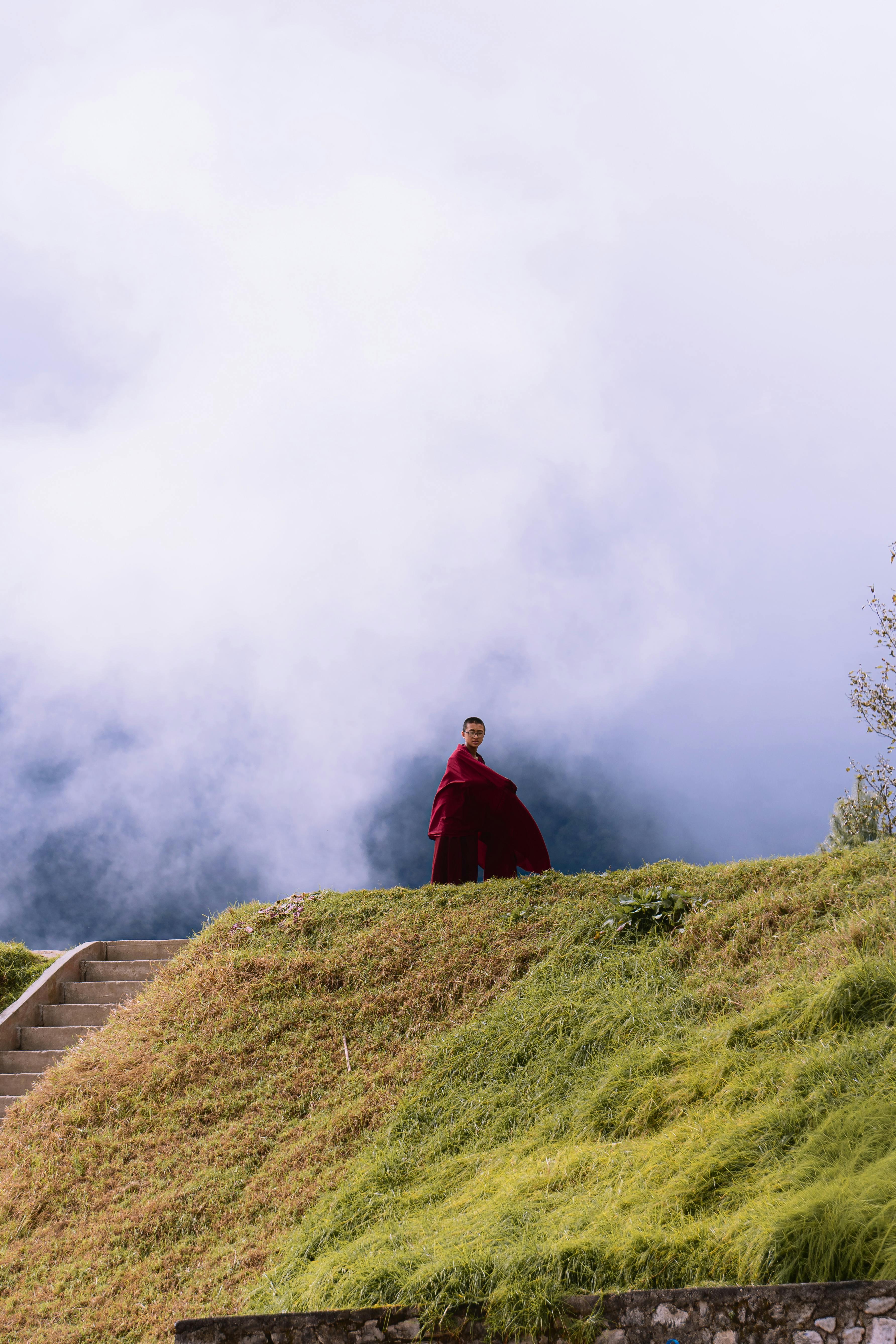
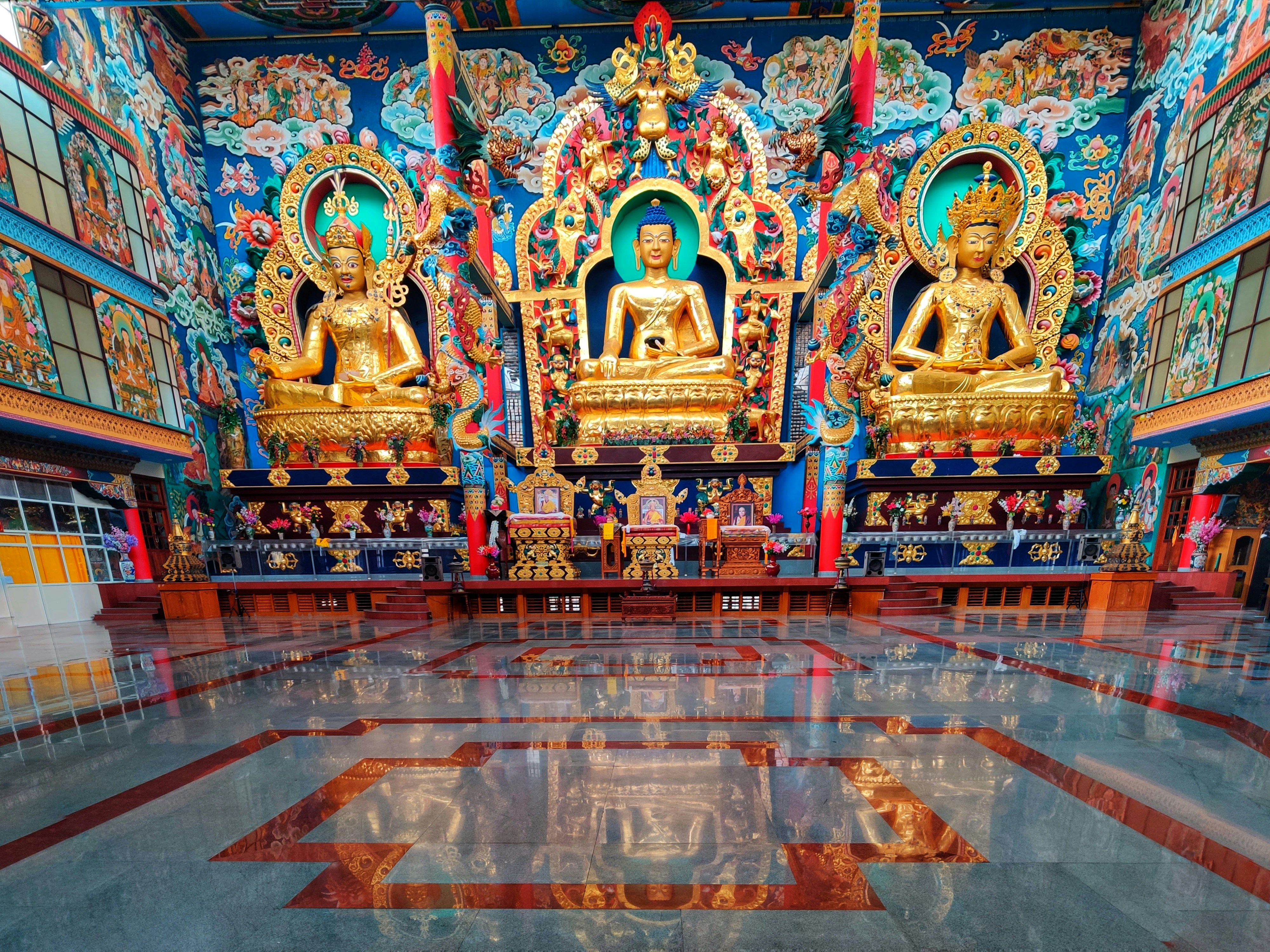
Field research conducted in Bylakuppe Tibetan settlement
Bylakuppe, located in Karnataka, is home to one of India's largest Tibetan settlements and a vibrant literary community. From our research base in Bangalore, we've made multiple trips to Bylakuppe to understand how this community functions and what it contributes to Tibetan literature in exile.
Historical Context
Bylakuppe was established in the 1960s as a settlement for Tibetan refugees. Over the decades, it has grown into a thriving community with monasteries, schools, and cultural institutions. This infrastructure has supported the development of a literary community that produces work in Tibetan, English, and other languages.
Our field research has involved documenting this history, exploring how the settlement has evolved and how its literary community has developed. We've interviewed community members to understand this evolution from their perspectives.
Literary Infrastructure
Bylakuppe has developed literary infrastructure including libraries, publishing initiatives, and educational programs. This infrastructure supports both the production of new work and the preservation of traditional literature. Understanding this infrastructure is crucial for understanding how the literary community functions.
From our research, we've examined how this infrastructure operates, exploring how different institutions support literary production and how they relate to each other. We consider how this infrastructure compares to other literary communities.
Writers and Works
Bylakuppe is home to many writers working in various genres: poetry, fiction, memoir, academic writing. These writers contribute to Tibetan literature in exile while also engaging with broader literary traditions. Understanding who writes and what they write is important for understanding the community's literary character.
Our research has involved interviews with writers, examining their work and their perspectives on writing in exile. We explore how their work reflects both Tibetan traditions and contemporary concerns.
Language and Expression
Bylakuppe's literary community works in multiple languages, reflecting the multilingual reality of Tibetan communities in India. Writers navigate between Tibetan, English, Hindi, and Kannada, each language offering different possibilities and audiences.
From our research, we've examined how language choices function in Bylakuppe's literary community, exploring how writers decide which languages to use and how multilingualism affects literary production. We consider how language choices reflect broader questions about identity and audience.
Community Engagement
Bylakuppe's literary community is deeply engaged with the broader settlement community, with writers addressing community concerns and contributing to community life. This engagement shapes both what gets written and how it functions.
Our field research has involved exploring this community engagement, examining how literature functions within the settlement and how writers relate to their communities. We consider how this engagement differs from and relates to other literary communities.
Preservation and Innovation
Bylakuppe's literary community balances preservation of traditional literature with innovation in contemporary forms. This balance is crucial for maintaining cultural traditions while also allowing for necessary adaptation to new contexts.
From our research, we've examined how this balance functions, exploring how traditional forms are preserved and how new forms are developed. We consider how preservation and innovation can work together.
Challenges and Opportunities
Bylakuppe's literary community faces various challenges: limited publishing infrastructure, language preservation concerns, economic pressures. At the same time, it has opportunities: proximity to Bangalore, connection to broader Tibetan communities, support from cultural institutions.
Our research examines these challenges and opportunities, exploring how the community navigates them and what strategies it employs. We consider how challenges might be addressed and how opportunities might be maximized.
Future Prospects
As Bylakuppe continues to evolve, its literary community will likely continue to develop in new ways. Understanding current conditions can help anticipate future prospects and support continued development.
Our research considers these future prospects, examining both possibilities and concerns. We explore how the literary community might continue to function and how it can best serve both preservation and innovation.
Conclusion
Bylakuppe's literary community represents an important site of Tibetan literary production in exile, contributing to both preservation and innovation. Understanding this community requires attention to its history, infrastructure, writers, and works, as well as its challenges and opportunities.
Our research, conducted from Bangalore with extensive field work in Bylakuppe, continues to explore this community. We remain committed to understanding how it functions and how it contributes to Tibetan literature in exile.
Research Note
This research involved multiple field trips to Bylakuppe, including extended stays for participant observation and interviews. We are grateful to all the community members who shared their experiences and insights.
About the Author
Priya Mehta is Senior Editor & Writer at Dharma & Letters, focusing on translation studies and Tibetan refugee narratives.
References:
- Field research notes, Bylakuppe (2023).
- Interviews with writers and community members.
- Literary infrastructure and institutions examined.
- Published works from Bylakuppe analyzed.
Priya is Senior Editor & Writer at Dharma & Letters, focusing on translation studies and Tibetan refugee narratives.
Read More Articles